
When Old becomes New: Tradition in Modernity in Japanese Products
When you hear the phrase “Unique Japanese Products, you might think about the hi-tech, new products such as robots, AI and so on. You might think about high-tech air conditioner companies such as Daikin, Sharp, Mitsubishi, all these companies that produce the most modern products in the world.
However, Japan is more than just modern and high-tech. The truth is some Japanese companies have been incorporating tradition in their products that look very modern.
In this article I will be introducing four unique Japanese products that might look modern but is very traditional in heart.
Four Unique Japanese Products
Kaiko Products by Morus

Would you believe me if I tell you that there is a company in Japan making powder from silkworm?
This unique product traces its roots back to sericulture. Morus is a biotechnology company specializing in revolutionizing silkworm, or sericulture, which traced back to 5,000 years ago. Through joint research with Shinshu University in Japan, one of the world’s top silkworm researchers, they noticed that silkworm has an aroma and color like matcha (powdered green tea) and has a variety of functions that help maintain good health, such as lowering blood sugar and possibly improving gut health.
Sericulture was considered one of the cornerstones of Japanese economy. Between 1850 and 1930, raw silk ranked as the leading export for Japan, accounting for 20 to 40% of Japan’s total exports. However, nylon replaced silk later, leading to the decline of the Japanese silk industry.
(Psst! We are looking for distributors of Morus worldwide! Click this link if you are interested!)
Fudepen by Pentel
If you have any acquaintance who happens to be an artist, you might see them carrying a fudepen (brush pen) in their pencil cases. But have you ever thought that fudepen (especially those with brush tip) is made to simulate the movements of animal hair, which was used to make actual calligraphy brushes in Japan? It’s one of them unique Japanese products, isn’t it?
Companies in Japan like Kuretake, and Pentel which is also known for other stationeries and writing utensils, spend years to engineer polyester fiber that could taper to a microscopic point and snap back to their original shape after stroke. Now it is not only longer considered a tool just for Japanese calligraphy, but also for top tier artists. Kuretake Zig and Pentel Pocket Brush is now a staple for artists, especially those who want to be able to write strokes with varying thickness. Not only that, the fudepen is also considered a staple for hand lettering.
Washi Bags by Sukuro
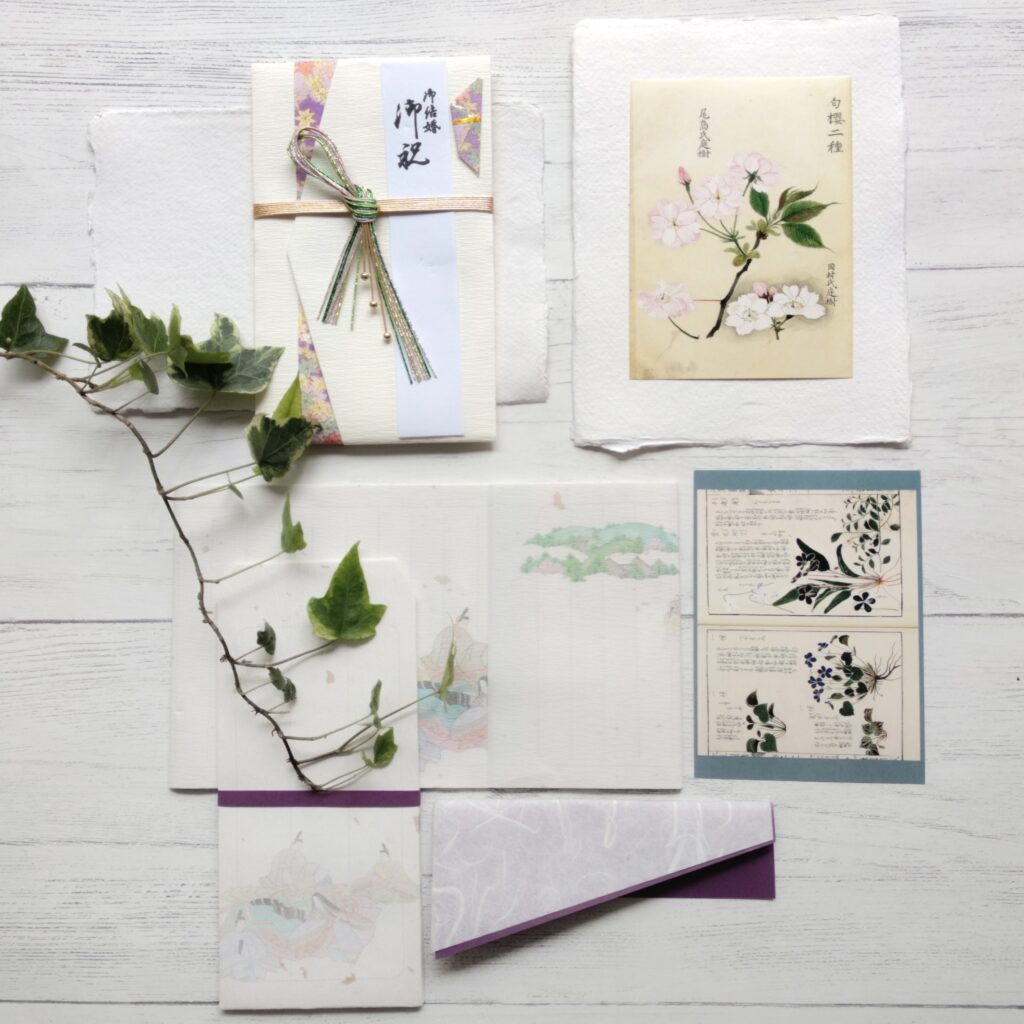
Honestly I never thought it is possible to make bags from Japanese Paper!
Sukuro is part of the manufacturers of Echizen Washi, known as the King of Washi and used as money bills and paper for writing Buddhist sutras. It is also used for restoration of old pieces of art. The company has thought of something new, to make a bag out of the Japanese paper they produce. However, people are worried that the bag will become flimsy when it’s raining, hence they decided to add an ultra-repellent coating that doesn’t change the natural, warm texture of the paper. The company also made the stitching seams very thin, and also dyed the paper using plant dye. With the very thin and light design, it reduces the strain on the shoulders.
(We also have these bags on this platform! Click here if you are interested!)
Nishijin Textiles by Hosoo
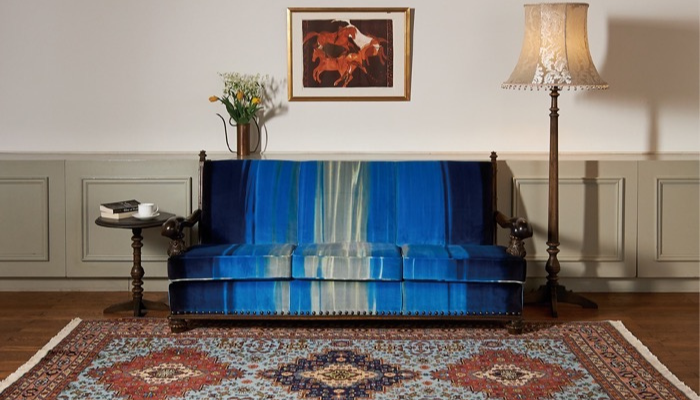
When the Nishijin Textiles started production in 1688, it was meant mainly for higher ranking people and aristocrats. However, fast forward to the 21st century, the high-class textile has gathered a lot of accolades, such as adoption in designer brands like Gucci, Tiffany And Co, top tier hotels like Hyatt, and also exhibited in museums like Neues Museum in Germany. Hosoo has also collaborated with The University of Tokyo, weaving conductive threads and sensors directly into traditional Nishijin structures to incorporate modernity and even winning “STARTS Prize 2022″ Honor Award” by the EU Commission.
This proves that it’s possible to transform something traditional to something more modern. This applies to your business as well. Just because it’s not modern doesn’t mean it’s not marketable.
Do you want to expand your products to another country?
We at Vintage Management can help you!
With years of experience helping 500+ companies navigating the challenges to spread their brand overseas, we are confident to make your “impossible” possible.