

Success Stories of Japanese Traditional Brands Overseas
When we think of Japan, many modern products and technologies come to mind, even captivating foreigners. However, traditional products are a different story, and some people may think they are too traditional to sell overseas.
The truth is, there are Japanese traditional brands that have also captivated foreigners.
In this article, we would like to introduce brands that are highly valued overseas.
Ryusen Hamono: The Steak Knife That Amazed Chefs Worldwide
Ryusen Hamono in Echizen City, Fukui Prefecture, is located in the production area of Echizen knives. Third-generation president Koji Masutani felt domestic sales at its lows and exhibited at the German trade fair Ambiente in 2010. Starting from a booth in the corner of the venue, he made steady efforts, serving about 100 buyers per day.
The turning point came from a request by the head chef of Hoshinoya Tokyo. Taking on the difficult challenge of combining sharpness with safety, they spent about two years developing the knife. The completed steak knife was adopted as the exclusive knife for the Japanese team at the world-renowned international cooking competition “Bocuse d’Or.”
The competition resulted in Japan’s historic third place finish. Furthermore, about half of the judges from 24 countries were so impressed by the sharpness that they took the knives home. From that day on, orders flooded in from around the world, and it currently has a waiting period of up to four years.
Washi (Japanese Paper): 1,300 Years of Tradition Saving World Cultural Properties
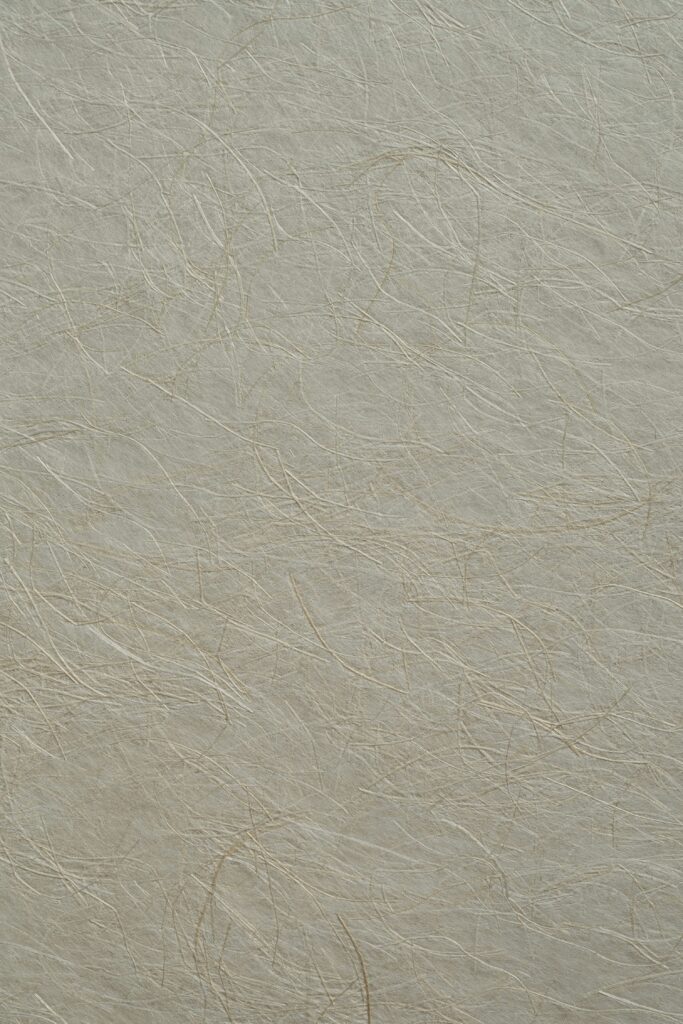
Japanese washi paper has a history of over 1,300 years. As of now there are three washis registered as UNESCO Intangible Cultural Heritage.
One less known fact is that washi is actually used in the restoration of Michelangelo’s fresco “The Last Judgment” in the Sistine Chapel at the Vatican. The excellent strength and durability of washi are recognized, and it is being utilized in cultural property restoration sites around the world.
In recent years, apparel products made by spinning washi into thread have also emerged. WASHI-TECH, developed by Tokyo-based sewing manufacturer Wakoh, produces T-shirts, stoles, handkerchiefs, and more from washi material. The texture is surprisingly smooth, soft, and beautifully colored. The application is expanding from traditional crafts to products adapted to modern lifestyles, including interiors, accessories, and apparel.
These two success stories demonstrate that the excellence of Japanese traditional brands is recognized worldwide.
The good news is that this does not only apply to Japan, but also your country’s traditional products!
If you have any interesting products you want to let the world know, we Vintage Management can help you. Please let us know.
Photo by 360floralflaves on Unsplash
Related Products
Sharpening Four Hatsu Knife – Echizen Knife with three lineups
Hideo Yamada Knives – Echizen Knife with four lineups
Washi Bag by Sukuro – Waterproof Bag made from Washi
Washi Accessories by Osada Washi – Accessories made from liquid Washi drops